
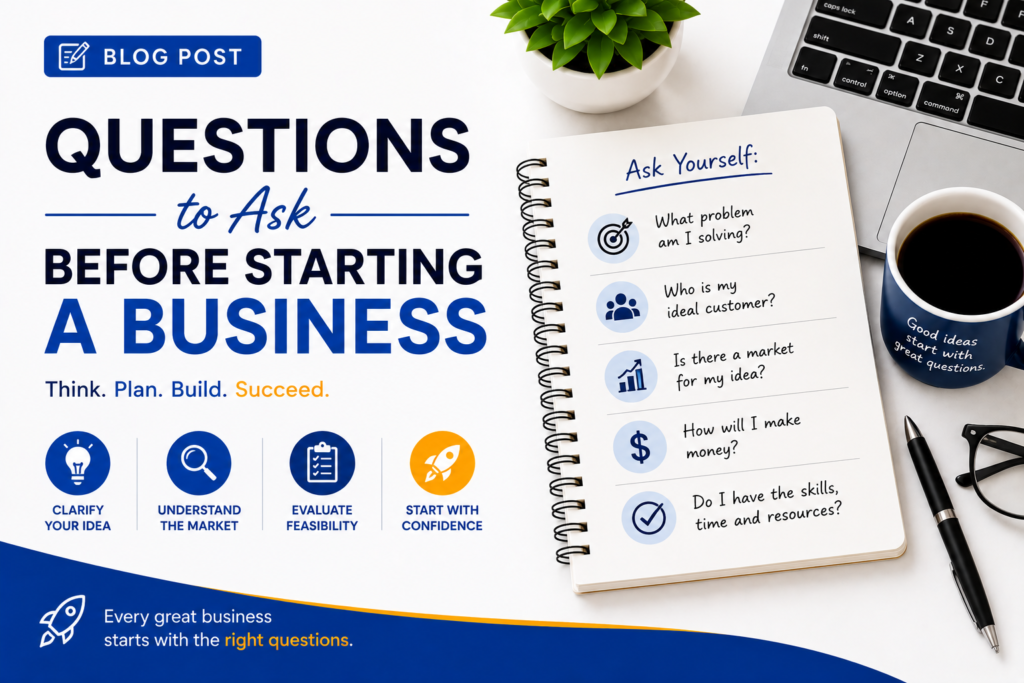
Starting a business is hands down one of the most exciting rides you will ever take. That first spark of an idea, that late-night brainstorming, that thrill of calling your own shots can leave you wanting to jump right in. But here’s the cold, hard truth most founders discover the hard way: passion alone won’t pay the bills. Many promising ventures never come to fruition not because the owners lacked the drive, but because they skipped the unglamorous prep work. They hurried to order inventory, launch a website, or print business cards before testing their market, checking their numbers, or working out how they would handle day-to-day headaches.
The best insurance policy you can buy is to take the time to ask direct and honest questions before you spend your time and money. It’s about identifying the messy problems when they’re still cheap and easy to fix, and not months later when your bank account is running low. This guide is a practical, down-to-earth road map for testing your idea.
At VA Staff, we talk about these steps a lot because we see firsthand how proper preparation and smart delegation can take frenzied ideas and turn them into solid, growing businesses. These are the big questions you need to work through before you take the plunge.
Stop doing it all. Delegate more.
Hire a vetted virtual assistant and get your week back — starting with a free discovery call.
Is There a Real Problem to Solve?
All good businesses start with a simple truth. They fix something that is currently annoying, slow or broken for someone else. Before you fall in love with your own idea, take a step back and ask yourself, what pain point are you solving? For some this frustration is a regular occurrence, but how bad is it really? Look how they are dealing with it right now. Are they using clunky workarounds or forced to settle for bad options because there is nothing better? Most important, find out if there are people out there looking for a better way and if they will pay for it. The best thing you can do here is to speak directly with potential customers long before you buy equipment, order stock or pay for branding.
Who Is My Target Customer?
If you try to sell your business to everyone, you usually end up selling it to no one. If you want to build a brand that people care about, you have to know who you are talking to. Begin with the basics: age, where they live, how much they normally make and how they spend their money. If you are selling to other businesses, pay attention to the specific industry, company size and who makes the buying decisions. Pay attention to their daily habits, biggest pain points and priorities. Ask yourself who is most likely to buy from you today without a hard sell. When you focus your message becomes more clear, your offer becomes more personal and finding clients becomes a whole lot easier.
What Makes My Business Different?
Your future clients have options already, so you need a simple answer to a simple question: why should they hire you instead of someone else? Have a good look at what the competition is offering and where they tend to fall down. Ask yourself what you can reasonably do better? Maybe your edge is lower prices, better build quality, easier convenience, specialized know-how, friendlier support, or faster delivery. Whatever your advantage, make sure it is a lasting one. Ask yourself if your setup could be copied overnight by a competitor with a bigger budget, or if you’re delivering something truly different that can stand alone.
Is There Enough Market Demand?
It’s a great start to solve a real problem, but you also need customers who will pay you to keep the doors open. Market demand means looking at the actual numbers of potential buyers. Search trends: Are people searching for things online related to your offer? Look at your competitors to see if they are overloaded with work or have trouble filling orders. If you’re setting up a physical shop, local foot traffic and neighborhood demographics will make or break your setup. Always make sure there is a big paying audience before you invest a lot of startup money into the venture.
Who Are My Competitors?
Ignoring them won’t make competitors disappear, so take the time to learn how they do business. The first thing to do is to create a list of direct competitors, those that sell pretty much the same thing as you do, and indirect competitors, those that solve the same problem but in a different way. Look at what’s in local shops and online fighting for the attention of the same audience. Compare their prices, product lineups, customer reviews, support quality and marketing habits. Discover what they do well and where they get complaints from their clients. Ask yourself what you can learn from the businesses already in the space, so you can avoid their missteps and fill in the gaps they leave open.
How Will the Business Make Money?
Without a clear path to revenue generation, a business is just an expensive hobby. You should be able to explain what you’re selling, how much you plan to charge and how often a customer will come back. Calculate your average transaction size and whether your model is based on one-time purchases or consistent, recurring payments. Think about reasonable add-on services or additional products you can bring in later. If you need a complicated essay to explain how your business makes money, your business model needs some more tuning.
What Will It Cost to Start?
Startup costs have a way of creeping up on you when you’re not watching. Sit down and write down everything you need to launch properly. That includes basic equipment, initial inventory, domain and site set-up, licenses, legal help, launch marketing, security deposits, insurance and contractor pay. You also want to have a reserve of working capital to pay for the basics of operation while you wait for a steady income to come in. Ensure that these initial, one-time launch costs are entirely separate from the recurring monthly bills you’ll be paying.
How Much Will It Cost to Operate?
When you go live, the clock is ticking on the monthly costs. List your fixed expenses that are not dependent on your sales volume such as rent, basic software tools, insurance policies. Then add variable costs, which vary with the amount of work you do, such as raw materials, extra labor, shipping costs, card processing fees and ad campaigns. Don’t forget to set aside money for taxes and unexpected fees. With those numbers in mind, ask yourself the most important financial question on the list: how much cash do you need to generate every single month just to break even?
How Much Money Do I Need to Make?
Paying your bills keeps the lights on, but it doesn’t compensate you for the personal risk you’re taking. You have to be able to see a clear line from your top-line revenue to what actually comes into your bank account. Start with your target sales number, subtract your direct cost of goods to get your gross profit, then deduct your monthly running costs to get your net profit. See what is left and if there is enough left to pay yourself a fair salary. This math keeps your eyes on actual financial health not vanity numbers such as total sales volume.
How Long Can I Operate Without Profit?
Very few ventures are profitable from day one, so assuming yours will be the exception is risky. You have to take a hard look at your financial cushion. Figure how many months of personal and business costs you can cover if sales move slowly, check if you’ll have secondary income while getting off the ground, and count up your personal savings. A conservative cash cushion gives you the room to make mistakes, adjust your strategy and build momentum without the constant financial panic.
Do I Need Funding?
Your day-to-day pressure and long-term control are dictated by how you fund your start. Think seriously about whether you can bootstrap with your own savings and early sales or if you really need outside funds such as bank loans, private investors or alternative financing. Think about how much money you need to get to your first real milestone and plan where every dollar goes. Taking out debt or giving away equity early on adds extra responsibilities so be sure outside capital is absolutely necessary before you sign the dotted line.
What Legal Structure Should I Use?
A good structure can influence your personal risk, tax arrangements and day-to-day paperwork. Check out the basic options in your area – sole proprietorship, partnership or limited-liability options like an LLC or corporation. In addition to the choice of structure, check local business registrations, trade permits, professional licenses, tax IDs, service contracts and commercial insurance policies. Taking time to address these details on the front end protects your personal assets and avoids expensive surprises down the road. It is well worth the money to get input from a qualified local accountant or legal professional.
Do I Need Employees?
When you’re starting out it’s tempting to take on every job yourself, but that’s a quick path to burnout. Can you manage to work on your own, day in, day out, in the early days, or will certain key tasks be beyond your technical capabilities? When you need help, think about hiring staff, contracting freelancers, or hiring a virtual assistant. One rule of thumb: don’t hire people just to fill your calendar. Bring in help when passing off those tasks makes enough money or saves enough of your energy to clearly justify the payout.
What Should I Delegate?
As a business owner, your main focus should be keeping the company moving forward. This means you can’t spend all day stuck in the administrative details. Identify repetitive, time-consuming tasks that are easily taught to someone else. Basic inbox management, data entry, routine customer service replies, calendar updates, basic bookkeeping tasks, social media posting, research, store updates are common items to hand off. Save your own energy for big picture things like setting direction, closing big deals, growing key relationships and making money decisions.
How Will Customers Find Me?
You can build a great service or product, but if no one knows about it, your launch will stall. You need a simple way to reach people through the channels they already use. Think about where your ideal buyers shop and how they shop – whether it’s Google searches, social channels, word-of-mouth referrals, local ads, email lists, networking events or direct outreach. Don’t try to be everyplace at once on 10 different platforms. Find 1 or 2 main channels that reach your target market directly and do a great job there.
How Will I Generate My First 10 Customers?
Broad marketing plans are fine for down the road, but right now you need a direct plan to get your first handful of buyers. Instead of just saying you’ll run ads, describe a step-by-step outreach effort. This might involve cold calling your current contacts, seeking referrals from friends, cold calling local business owners, joining groups online, sending targeted emails or doing a joint promotion with a business that complements your own. Pushing directly for those first ten sales builds momentum and gives you invaluable feedback.
What Will My Sales Process Look Like?
Your business is fueled by a steady sales flow. Map the simple journey a prospect will take from finding out about you to paying for what you do. From inquiries to initial chats, quotes, follow-up messages, closed sales and project onboarding. Learn who is answering incoming messages, ensure a quick response and have a simple follow-up process so good leads don’t fall by the wayside.
What Will My Day-to-Day Operations Look Like?
Before you launch, run through what a typical Tuesday will be like when you are up and running. Specify how customers place orders, how you get paid, how you provide services or products, and how you resolve customer issues. Make sure you have simple processes in place, so that ongoing projects don’t get lost in busy weeks. Set out clear rules for how to deal with mistakes or delays. Simple, repeatable routines make your day-to-day go more smoothly, even during busy times.
What Technology Will I Need?
Tech should simplify your life, not contribute to your headaches. Identify the essential online resources you need to run your business. Things like a good website platform, business email, a simple CRM, accounting software, payment processing, project boards and team chat. It’s easy to fall into the trap of buying subscriptions for fancy software you don’t really need yet. Start with a simple setup and only add new tools when your actual workload requires them.
What Could Go Wrong?
Every business owner has to stay positive, but realistic planning keeps you afloat when things get bumpy. Take a moment to identify the obvious risks such as slow initial sales, tight cash flow, vendor delays, team turnover, software glitches or shifting local regulations. When you have a list of main risks, then ask yourself what your backup plan looks like for each one. Knowing ahead of time how you will respond puts you in a position to act quickly and calmly when challenges come.
What Are My Personal Goals?
If you don’t align your company with your personal life, it’s shockingly easy to build a company that ends up feeling like a job you hate. Spend some time considering why you want to start this business in the first place. Consider how many hours per week you’d like to work, how much personal income you need to live comfortably, and whether you want a steady lifestyle business or a high-growth company you might sell later. Set clear personal goals from the start, and your business will add to your life, not take from it.
Am I Personally Ready?
Ultimately a business plan is only as good as the person running it. Be honest with yourself and see how prepared you are personally for the road ahead. Consider whether you can handle the long hours, the inconsistent pay at the beginning, the high stress, and the never-ending problem solving. You’ll be making tough decisions, driving sales and teaching yourself new skills on the fly. The real secret to making things work over the long haul is a good business idea combined with a patient, resilient owner.
20-Question Pre-Launch Checklist
A simple checklist to see where you stand before you officially open your doors:
- What is the clear problem I am solving for my customers?
- Who is my perfect customer?
- Have I validated that people are willing to pay for this fix?
- Who are my primary direct and indirect competitors?
- What makes my business uniquely different?
- What am I actually offering in terms of products or services?
- How am I going to price things to ensure I am profitable?
- What are my total startup costs (up front)?
- What are my ongoing monthly operating expenses?
- How much in sales do I need to break even each month?
- How many months’ cash cushion do I have saved?
- How to get your first 10 paying clients?
- What are the detailed steps of my sales process?
- Legal registrations, permits & tax setup?
- What type of business insurance do I need?
- What jobs should I outsource or delegate?
- What software and tech do I need on day one?
- What are my biggest risks and my contingency plans for them?
- What are my top priorities for the first 90 days?
- What does success mean to me personally and professionally?
Conclusion
There’s risk in every business start up. But you can tip the odds in your favor by replacing guesses with solid answers. When you spend time to look at your market, check your actual numbers, outline a basic sales path, and organize your weekly routines, you are giving your business a real foundation. Remember you don’t need to have everything planned out before you even start. The idea is to just catch the big issues that could sidetrack you early on, get those answered, and move on with clarity and confidence.
Frequently Asked Questions
What is the first question to ask when you want to start a business?
The key question is: are you solving a real problem that people will pay money to solve? No matter how good you are at marketing and organization, the business is not going to survive without a paying audience who appreciates your work.
How much cash should I have in my cushion before I start?
A good rule of thumb is to have at least six months of personal living expenses and business operating expenses saved up. This cushion allows you to gain customer traction, correct initial mistakes and reach profitability without continually stressing your finances.
When should I begin the delegation of tasks in a new business?
It is time to delegate when routine admin tasks, scheduling, basic support or data entry begin to distract you from revenue generation and business growth. You get value for money when you bring in virtual assistants or freelance help, if the value of the time you free up is more than the cost of the help.
Do I need a formal business plan before I start?
Most of the time, you don’t need a huge formal document unless you’re looking for traditional bank loans or pitching outside investors. But you still need a clear plan. Answer simple questions about your audience, pricing, cash runway and sales approach, and you get the direction of a full business plan minus the fluff.
How do I know if my business idea is too risky?
If you cannot clearly state who your customer is, or if your monthly spending is far outstripping your cash cushion, or if customer interest is purely theoretical – then you have a generally too risky idea. The best way to manage your risk level is to test demand via real conversations or pre-orders before you fork out big money.
What's your business?
Company name and what you do — a line is plenty.
How many VAs do you need?
A rough number is fine — you can scale later.
What do you need help with?
Pick a category — you'll choose specific roles next.
Which roles do you need?
Pick any that apply — or add your own below.
How many hours per month?
Full-time or part-time — pick what fits.
Where do we send your matches?
We'll email you a shortlist of VA candidates.
You're all set!
We'll review your answers and send a list of matched VA candidates to your inbox — usually within one business day.
Or book a free call now →