
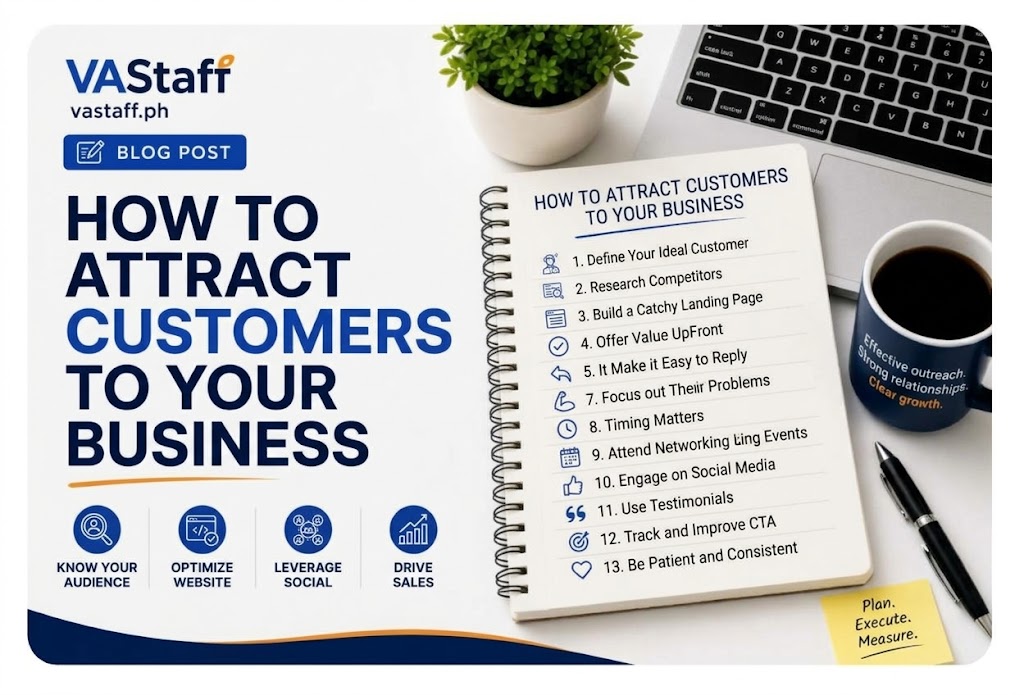
The business world can be a roller coaster ride. One month you’re getting bombarded with inquiries and the next you’re staring at a quiet inbox wondering where everyone went. If you’ve ever stayed up at nite wondering how to make sure you always have a steady flow of people coming through your door or visiting your website, you are definitely not alone. One of the hardest things about running a business is keeping sales steady and getting to new people.
It’s tempting to think that acquiring new buyers is a one-time thing. You build a nice website, hand out a fresh batch of business cards or run a quick weekend sale and then sit back and wait for the phone to ring. But that’s not how a business actually grows. Getting new customers is something that you have to work on all the time. It’s a healthy mix of straight up marketing, building real relationships and keeping the customer at the heart of what you do. You want to know who you are talking to, be visible to people looking online, provide real value before asking for anything in return and give your happiest customers a reason to spread the word.
The VA Staff team witnesses on a daily basis how the right support and consistent outreach can transform a quiet business into a busy, thriving one. Here are the practical strategies you can start using today to attract high-value customers and keep them coming back.
Stop doing it all. Delegate more.
Hire a vetted virtual assistant and get your week back — starting with a free discovery call.
1. Identify Your Ideal Customer
Before you start putting money into ads or posting on social media you need to know who you’re really trying to talk to. Trying to be everything to everyone usually means you don’t connect with anyone. Take a minute to think about the people who get the most value from what you offer. “What are their key likes and dislikes, their everyday irritants and their purchase drivers?”
Creating a simple picture of your ideal customer brings them to life. Name them, write down their everyday struggles and see what makes them decide to buy something. Once that’s clear in your head, every social post, email and service page that you write will feel like a direct conversation with them. Plus, you won’t waste time and money advertising in places where your target audience never spends time.
2. Establish a Strong Online Presence
Your online presence is usually the first impression a possible client has of your business. If your site takes forever to load, looks weird on a smartphone or feels totally out of date, people will click away in seconds. A clean, easy to use, mobile friendly website that covers the basics of search engine optimization (SEO) makes it much easier for people to find you when they need your help.
Keep active pages on the social platforms your audience actually uses, as well as your site. You don’t have to be everyplace at once, just choose a couple of places and stick with them. Make sure your business name, address, phone number, working hours and service details are accurate and consistent across the web.
3. Optimize Your Local Search Profile
If you’re serving a local neighborhood or running a brick and mortar shop, local search is big. Claim and Optimize Your Google Business Profile One of the easiest ways to get found by people nearby ready to buy. Complete all details, upload clear photos of your team or workspace, keep your hours updated and list what you offer.
Use simple local words people in your area would type into Google to appear in local map results. Each time you do a job or make a sale for a happy customer ask them to leave a review on your profile, politely. A steady stream of positive honest reviews builds trust quickly.
4. Content Marketing for Building Authority
People love to buy from brands they trust. And sharing your knowledge is one of the finest ways to gain that trust. Content marketing is not about constantly pitching your services, it is simply about helping people solve small everyday problems. Think about writing short blog posts, quick video tips, simple checklists, or easy-to-digest infographics that help answer the questions your clients are constantly asking you.
Giving helpful advise on a regular basis starts to make you a respected expert in your industry. Once you have a good piece of content on your site, share it on your social pages or send it out in a quick email to keep your audience engaged.
5. Give Out Free Samples or Promotions for a Limited Time
It can be a leap of faith for someone to buy from you for the first time if they’ve never bought from you before. You can make that decision much easier with a low risk offer like a quick welcome discount, free first chat, short trial or small sample.
People need a clear start and end date for your offer so they have a reason to act now and not put the offer off for later. Just be sure to ask for a basic piece of contact info (like an email or phone number) when you deliver the freebie so you can check in with them down the road.
6. Start a Customer Referral Program
Your best sales team is made up of your happy clients. People trust recommendations from friends and family more than advertising. A simple referral program gives your existing fans a fun way to spread the word about you.
Maybe give them a small discount on their next order, a direct cash prize, or a nice perk for every client they refer to your business. Give them a simple link or promo code that’s easy for them to share. Keep track of who is sending people your way so you can thank your biggest fans.
7. Paid Advertising Targeted
Organic posting takes a bit to get momentum, but pay-per-click (PPC) allows you to jump in front of interested people immediately. Platforms like Google, Facebook and Instagram let you dial into particular neighborhoods, age groups, personal interests and online habits.
Start small, test a couple of different headlines and images and send that ad traffic to a clear page designed to answer their immediate questions. Knowing what’s working helps you identify the ad sets that are actually generating real leads so you can reroute your budget to what’s paying off.
8. Create an Email Marketing Strategy
Social media algorithms are always changing, but your email list is something you actually have control over. Gathering e-mail addresses gives you a direct way of staying in touch with people who have already expressed an interest in what you’re doing. Put a basic signup box on your site, offer a helpful download, or ask for an email at checkout.
Send friendly emails with useful advice, company updates or special seasonal discounts to keep your subscribers in the loop. As you build your list you can segment subscribers by what matters most to them so your messages are always relevant to them.
9. Collaborate with Other Local Businesses
You don’t have to build all of the business yourself. Search for locally based businesses that are not your competitors but have the same target audience. For example, a home painter might team up with a local interior designer or a hardware store.
Use your imagination to think of ways you can work together, such as joint cross-promotions, a small event together, or a joint giveaway. Working together, the two companies can tap into a completely new audience of potential customers without paying double the marketing fee.
10. Host webinars, workshops or events
There’s something about bringing people together face to face or via video call that plain text ads can’t compete with. Try a quick live workshop, an online seminar or a friendly Q&A session which provides real value to your target audience.
Use these sessions to demonstrate your products in action, answer questions directly and share your hands-on experience. Offer a simple next step for people who want to continue working with you before you close out. Collect people’s contact info when they sign-up so you can follow up later.
11. Provide Excellent Customer Service
The first step is to get someone to make their first order. The real stability of a business comes from getting them to come back again and again. Make sure your team is attentive, polite, and prompt in every channel, whether that’s on the phone, via email, or in live chat.
When something goes wrong—and it will—fix it quickly and calmly and generously. A frustrated customer can become your biggest fan if you handle a mistake with real care. Happy customers will surely tell their friends and family about their good experience.
12. Collect & Show Social Proof
First time buyers want to know that your product or service actually works before they hand over their cash. Make a habit of gathering short written testimonials, brief video clips or genuine photos of delighted customers using your product.
Put these testimonials on your homepage, service pages and proposals. Real results from real people and this clears the doubts and encourages new visitors to choose you confidently.
13. Network and engage with the community
In-person connections are just as powerful as digital ones. Local business meetups, chamber of commerce events, or industry trade shows have you meeting other owners and potential clients face to face.
Another good step is to get involved locally. Sponsor a local sports team, lend a hand with a community fundraiser, or support civic projects to get your name out there and build real goodwill. Often, these real relationships result in direct word-of-mouth recommendations.
14. Reclaim Lost Traffic with Retargeting Campaigns
Most of the people who visit your website for the first time, will leave without buying anything or contacting you. That does not mean they were not interested; they just got distracted, or were not ready to buy at that time. Retargeting ads are a gentle way to keep them on your radar.
Just install a tracking code on your site and you can show useful reminder ads to previous visitors as they browse other sites or social media. Remind them of what they were looking at, or give them a small welcome perk, to get them to pop back over and finish.
15. Review and tweak your approach regularly
Marketing isn’t something you do once and forget. To ensure your efforts are effective, make sure you check your numbers regularly using web analytics, form conversion reports and simple sales data.
Learn which channels generate the best leads for the least effort and cost. Once you find a channel that consistently works, put more of your energy into it. If a specific ad or tactic isn’t working for you, change the message or transfer those resources to something that does work.
How to Tell if Your Business Needs More Customers
Sometimes we get so busy with day-to-day work that we don’t realize our customer pipeline is drying up until sales drop off. If you see the signs early enough, you’ll have time to fix it before it gets stressful. Here are some clear signs you need to focus on bringing in new people:
Flat Or Decreased Sales Volume: Your sales numbers have been stagnant or declining for a few months.
Lack of clients: If you’re dependent on only two or three clients for most of your income, you may be in trouble if one leaves.
Low Walk-Ins or Digital Traffic Website traffic, walk-ins, phone calls and form submissions are always quiet.
Unused Capacity or Inventory You have product sitting on shelves, blank spots on your calendar or staff just waiting to get to work.
Outpaced by Competitors: It appears that your target audience is looking for other local businesses.
Unpredictable Lead Flow: Your outreach seems untargeted, without a regular rhythm for generating new leads.
How to Start Getting Customers Today
You don’t have to try all fifteen of these ideas at once. More often than not, too much at once means feeling overwhelmed and dropping the ball. Instead, build momentum gradually with each step:
Audit Current Sources. Look at your recent sales and find out how your best customers originally found you.
Set yourself a simple goal for the next few months, such as gaining ten new regular clients or increasing web inquiries by ten percent.
Select Two or Three Focus Tactics Choose two or three ideas from the list above that best fit your budget, skills and audience.
Digital Touchpoints Get Cleaned Up Look at your site, social pages and Google listing to confirm your address, phone number and hours are correct.
Simple Lead Capture: Have a basic contact form or booking link on your page so people interested in what you’re doing can get in touch.
Track & Refine Next month, track your results, listen to your customers, and refine your approach.
In brief
In the end, it just comes down to balance. Be online, be clear, be good to people, and you will get more customers. This isn’t about aggressive sales techniques or throwing a lot of money at flashy campaigns that don’t work. It’s about putting a reliable routine in place to get your brand in front of the right people, show them what you can do and make choosing you the easy option.
Remember, it’s not about one sale. The real growth in business comes from turning one-time buyers into long-term fans who keep coming back and bring their friends along with them. Look at your current outreach today, pick two or three ideas from this list and give them a steady try
FAQs
1. How a Small Business Can Get New Customers the Quickest Way
The fastest way to get instant attention is to combine targeted search or social media ads with a compelling limited-time offer. Paid ads put you in front of interested people immediately—and a low-risk offer like a welcome discount or free consultation gives them a clear reason to reach out now instead of later.
2. How do I get customers to my business without a lot of marketing money?
You don’t need a big budget to grow. Focus on free or low cost things like fully completing your Google Business Profile, getting reviews from happy clients, building an email list, and participating in local community events. Writing practical, helpful blog posts and teaming up with local businesses that aren’t your competitors are other great ways to reach people using time and effort rather than cash.
3. Which social media sites are best to reach prospective clients?
The best platform is simply where your ideal customers spend the most time. If you sell visual products like clothing, food or home services, then visual platforms like Instagram, TikTok or Pinterest work very well. If you’re selling professional services or B2B, LinkedIn and Facebook are the best places to connect with decision makers.
4. How do I get visitors to become paying repeat customers?
It’s about great service and consistent follow-up that turns one-off purchases into long-term relationships.” Give them a great first experience and follow up after to see how it went and invite them to sign up for your email list. And sending helpful tips, seasonal updates and simple loyalty perks keeps your name fresh in their minds for the next time.
5. What marketing channels are driving the most sales? How do I know?
There are free tools like Google Analytics that can easily tell you where your traffic is coming from.You can also track offline efforts by adding a simple “How did you hear about us?” box on your forms, or by using different promo codes for different fliers, ads or events.
What's your business?
Company name and what you do — a line is plenty.
How many VAs do you need?
A rough number is fine — you can scale later.
What do you need help with?
Pick a category — you'll choose specific roles next.
Which roles do you need?
Pick any that apply — or add your own below.
How many hours per month?
Full-time or part-time — pick what fits.
Where do we send your matches?
We'll email you a shortlist of VA candidates.
You're all set!
We'll review your answers and send a list of matched VA candidates to your inbox — usually within one business day.
Or book a free call now →